
Naples vs New York Real Estate and Lifestyle Compared
May 14, 2026
May 14, 2026
Thinking about trading New York’s constant motion for Naples sunshine? The change can feel exciting, but it also comes with real adjustments in how you live, move around, and shop for a home. If you are considering a move, a second home, or a seasonal retreat in Southwest Florida, this guide will help you understand the biggest lifestyle and market differences so you can make a smart, confident decision. Let’s dive in.
For many New Yorkers, the first big shift is scale. Naples is simply smaller and more spread out than New York City, and that changes your daily routine in ways that matter. You may find life feels calmer, but you will also need to adjust your expectations around transportation, errands, and timing.
Naples is also shaped by second-home ownership and seasonal resort tourism. Collier County planning materials describe the area as long oriented around high-end second-home communities and seasonal demand. That means the market and the rhythm of daily life are not built around a year-round commuter pattern the way New York often is.
If you are used to a subway-first lifestyle, Naples will feel very different. The City of Naples says primary ground access is by car via I-75 and US-41, though CAT buses, a trolley, and airport access are available. In practical terms, most residents rely far more on driving than public transit.
That shift affects everything from grocery runs to dinner plans. In New York, you may think in blocks and train stops. In Naples, you are more likely to think in drive times, parking, and how close you want to be to beaches, dining, and everyday services.
For bi-coastal buyers, airport convenience often matters more than expected. The City of Naples notes that Southwest Florida International Airport is about 30 miles away. If you expect frequent trips between Florida and New York, that airport run becomes part of your regular routine.
This is especially important if you plan to use your Naples home seasonally. A property that feels perfect on paper may function very differently depending on how often you travel and how much convenience you want built into your lifestyle.
Naples offers a dramatically different climate from New York. Naples climate normals show an annual mean temperature of 73.5°F and a January mean of 63.0°F. By contrast, Central Park normals show an annual mean of 55.8°F and a January mean of 33.7°F.
The takeaway is simple. In Naples, outdoor living is part of everyday life through much of the year. In New York, winter often pushes daily life indoors for long stretches.
Naples also sees about 61.32 inches of annual precipitation, while Central Park records 29.8 inches of annual snowfall. For many buyers, this means changing not just wardrobes but habits. Morning walks, outdoor dining, boating, and pool time can become part of your normal routine instead of a seasonal treat.
One of the biggest surprises for New Yorkers is that Naples does not feel the same all year. Collier County says peak tourist season runs from January to April and brings an influx of 70,000 to 80,000 visitors. The county also reported more than 2.7 million visitors in 2024.
That winter surge affects roads, restaurants, reservations, and the general pace of town. If you arrive expecting a sleepy beach community in February, you may be surprised by how active it feels.
Outside peak season, Naples often feels quieter. For some buyers, that is a major plus. For others, especially those used to New York’s constant energy, the slower off-season rhythm can take time to appreciate.
This seasonality also shapes the housing market. Inventory, showing activity, and buyer competition can all feel different depending on when you are shopping.
A common mistake is to think of Naples as one uniform luxury destination. In reality, it is highly submarket-driven. NABOR tracks Collier County statistics because conditions can vary meaningfully by area and property type.
Realtor.com currently describes Naples as a balanced market, with a median listing price of $699,000, median days on market of 81, and a sale-to-list price ratio of 95 percent. Florida Realtors also noted that inventory and prices were stabilizing and returning to more normal seasonal patterns at the end of 2025.
For you as a buyer, that means timing and neighborhood selection matter. Naples is not a one-speed market, and not every property segment behaves the same way.
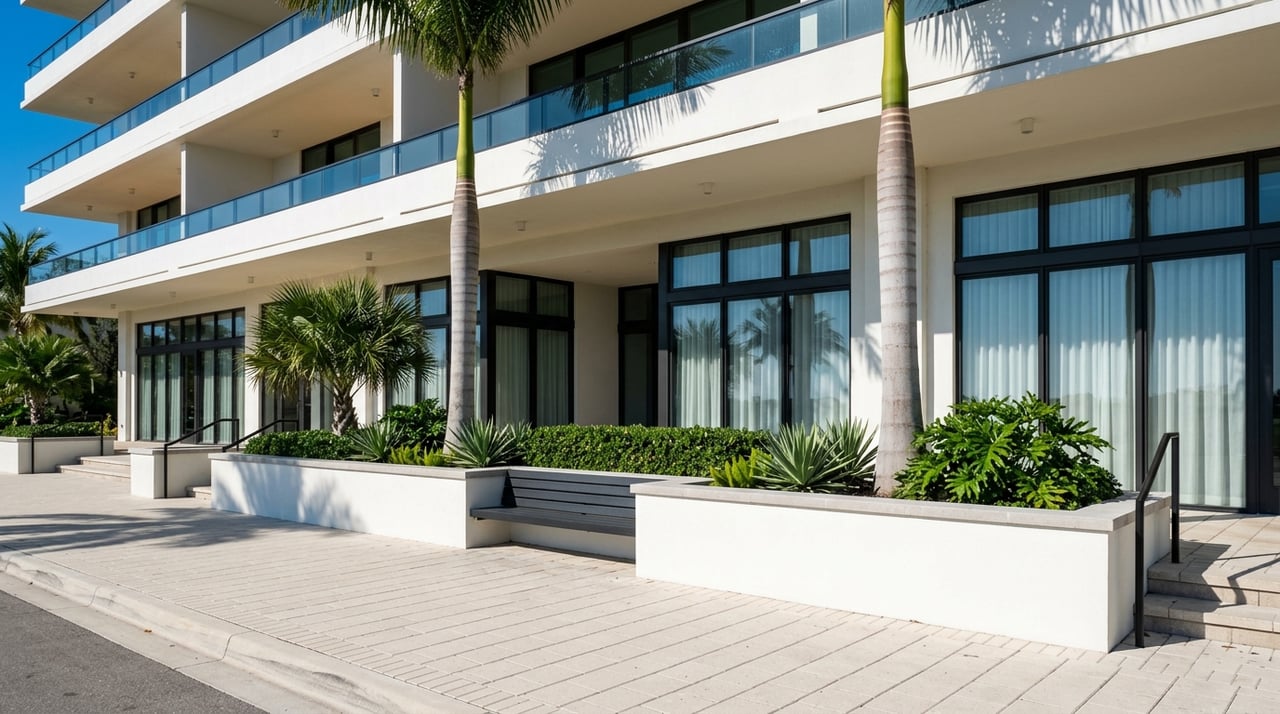
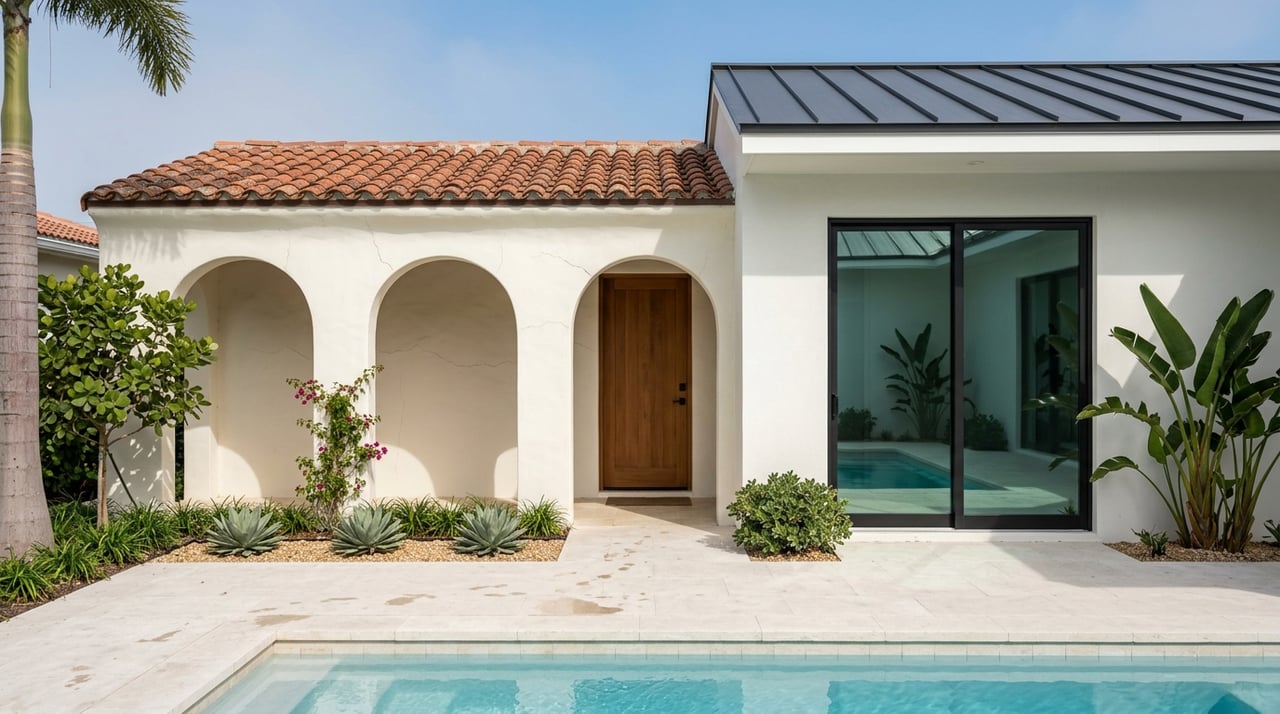
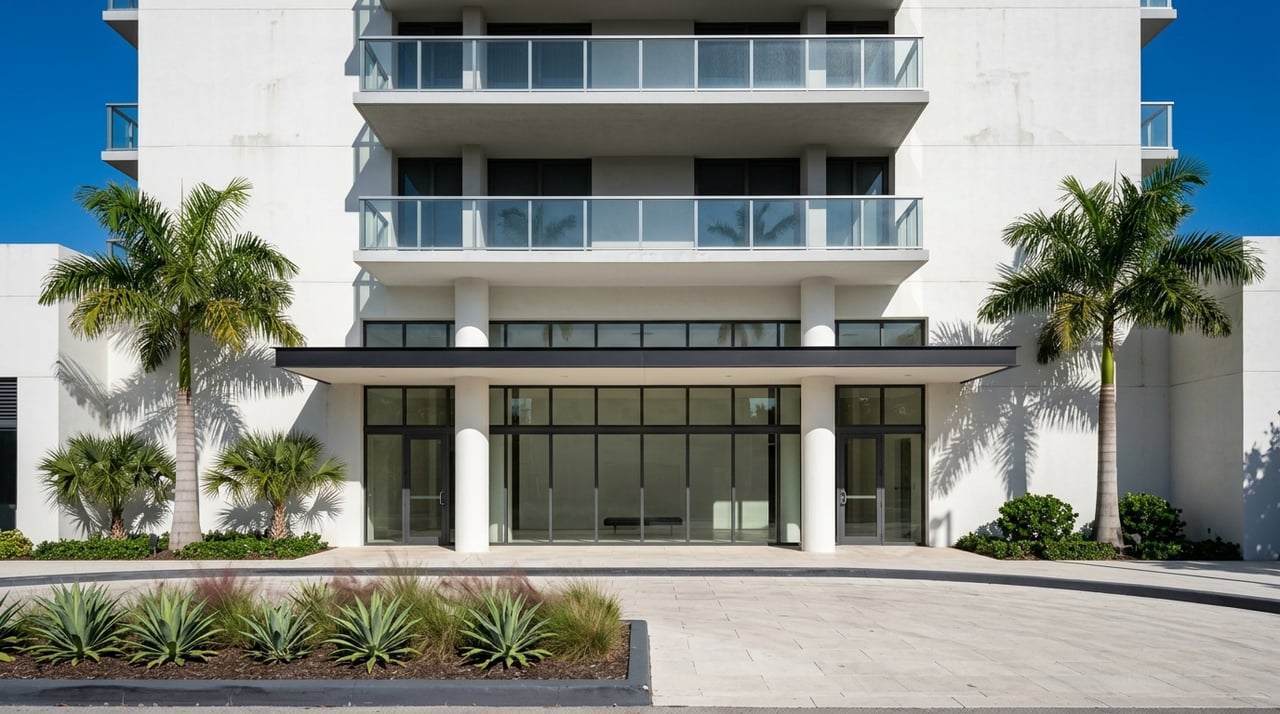
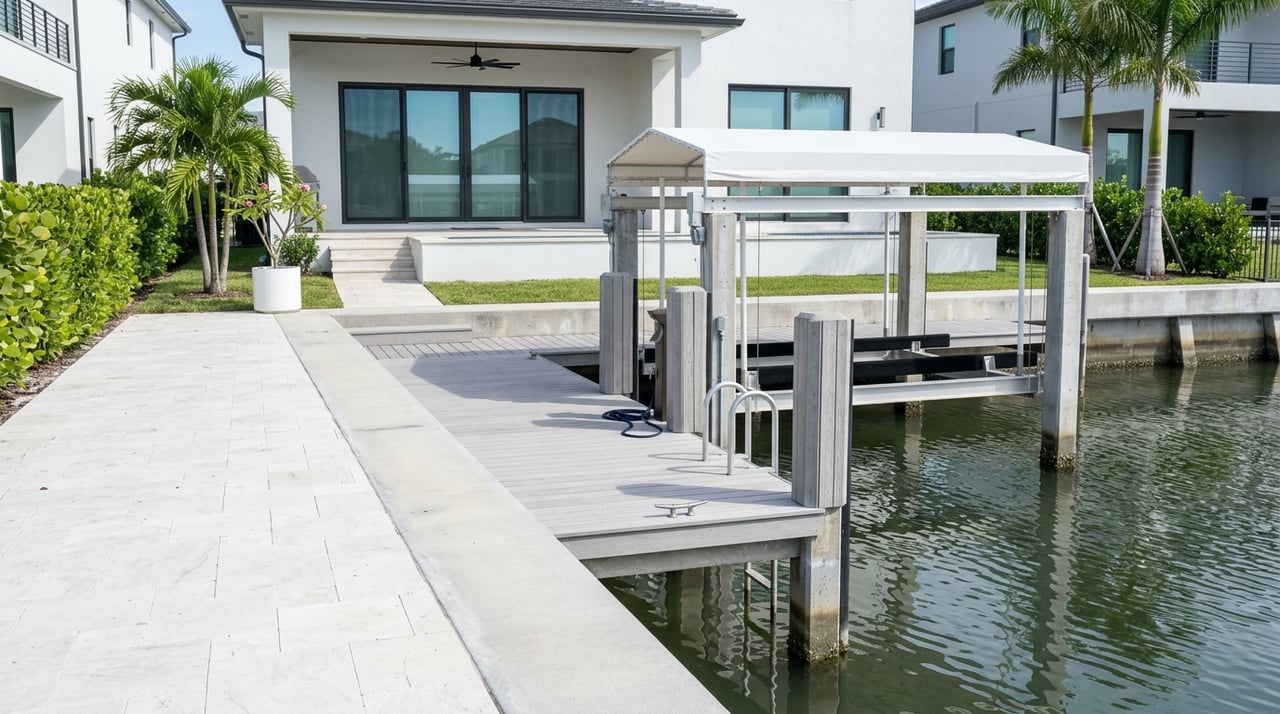
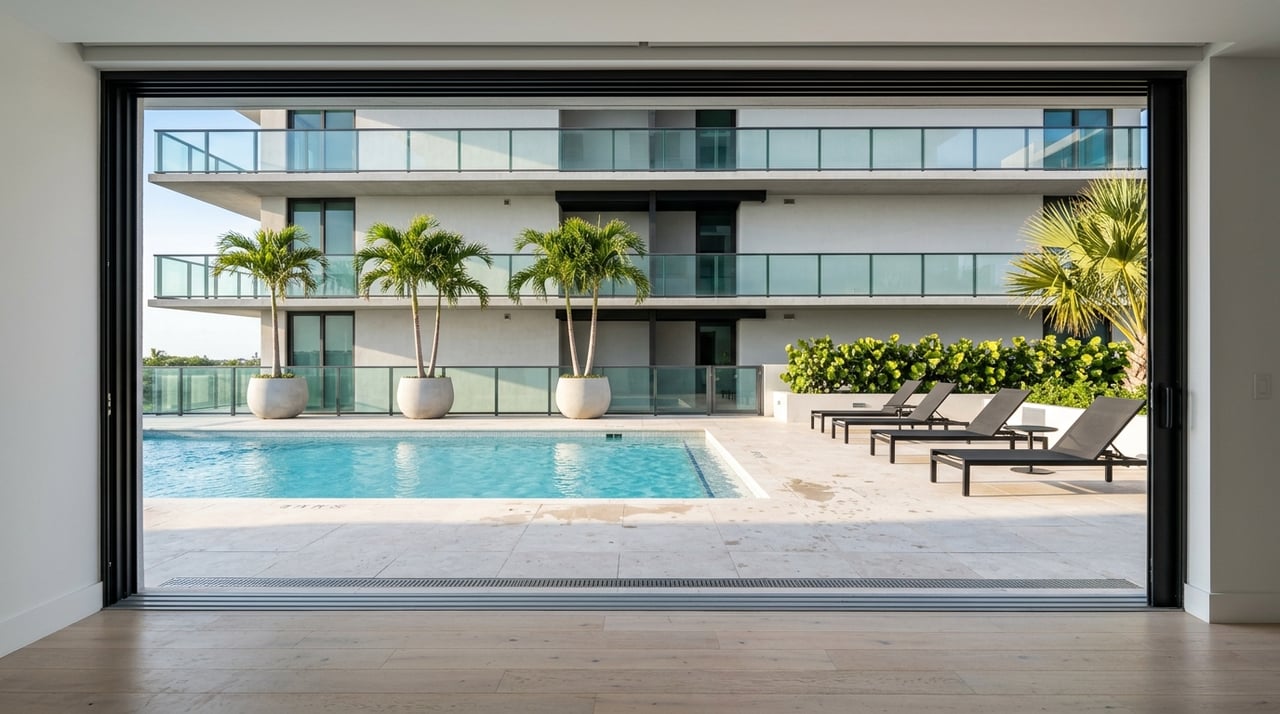
Naples offers a wide range of home types, including single-family homes, condominiums, waterfront properties, and club-centered coastal communities. That matters because many buyers here are not shopping for commuter housing. They are shopping for a primary residence, winter home, or lock-and-leave retreat.
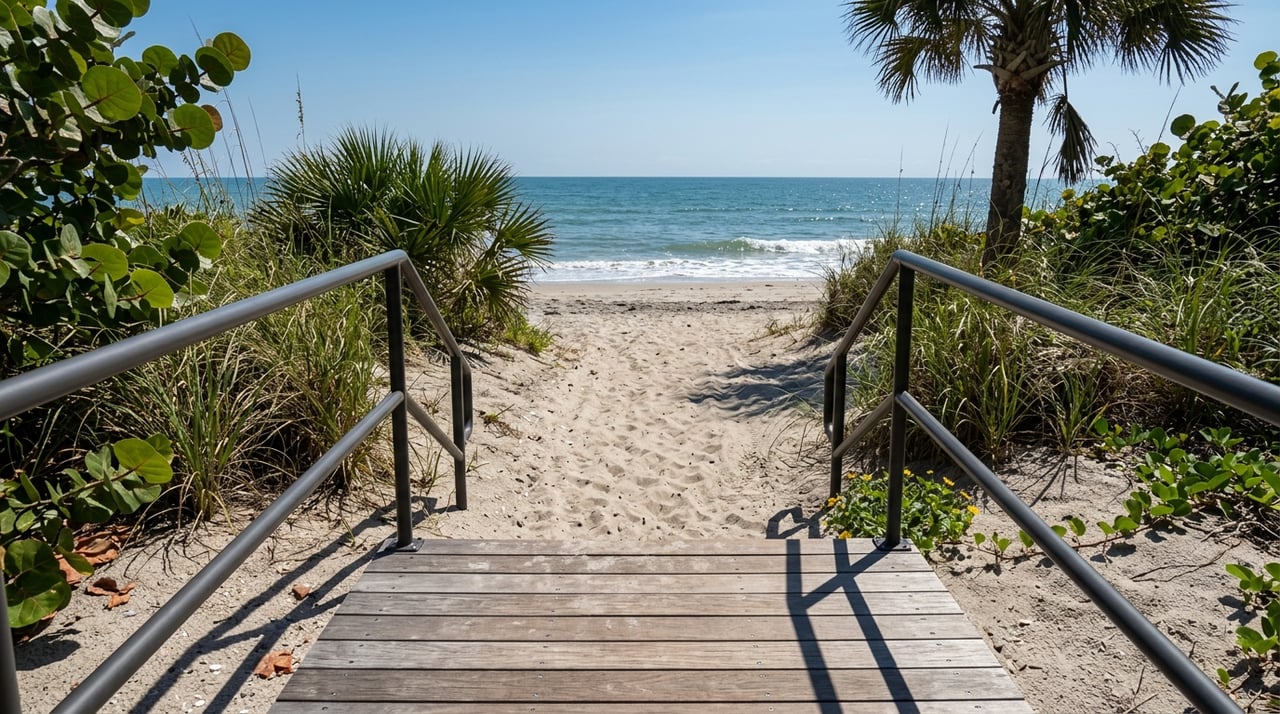
If you are moving from New York, your priorities may shift too. You may care less about train access and more about beach proximity, outdoor space, water views, amenity access, or how easy the home is to maintain when you are away.
Naples also has a wide pricing spread. Realtor.com shows median listing prices of about $1.695 million in Old Naples, $1.325 million in Moorings, $1.99 million in Park Shore, $550,000 in Central Naples, and $320,000 in Berkshire Lakes.
That range is important because it shows Naples is not just one luxury strip along the coast. Your budget, lifestyle goals, and preferred home type can open up very different options depending on where you focus.
If you want the closest match to a walk-to-dining and walk-to-beach lifestyle, Old Naples is often the first place to consider. The City of Naples describes it as home to many of the city’s original residences, with mature palms, tropical landscaping, and a mix of older and newer homes. The area stretches from Third Street South toward the beach and sits close to downtown shopping and dining districts.
For New Yorkers, this is often the easiest neighborhood to understand emotionally. It offers more of that step-outside-and-go feeling that city buyers often miss.
Coquina Sands is another neighborhood worth knowing. The city describes it as a neighborhood with single-family homes on tree-lined streets and elegant condominium buildings along Gulf Shore Boulevard. For buyers who want beach proximity without the same historic core feel as Old Naples, it can be a strong fit.
The Moorings sits between Coquina Sands and Park Shore. The City of Naples says it is known for Gulf and beach access in a mature, quiet setting and includes roughly 1,300 acres and about 4,000 homes and condominiums.
For many buyers, Moorings helps illustrate how Naples offers different versions of coastal living. Some areas are more walkable, some more private, and some more focused on waterfront or condominium living.
Port Royal sits at the luxury-waterfront end of the Naples market. For buyers coming from New York, it helps to think of this not as an urban lifestyle alternative, but as a private coastal lifestyle built around direct waterfront access, club amenities, and a very different sense of space.
A Naples purchase usually follows a contract, inspection, title, and closing sequence. Florida Realtors notes that the final walk-through is usually scheduled 24 to 72 hours before closing. That creates a process that is orderly and document-driven, especially for out-of-state buyers.
If you are buying from New York, it helps to be prepared for a steady flow of paperwork, deadlines, and coordination. This becomes even more important if you are trying to complete much of the purchase remotely.
Condominiums are a major part of the Naples market, and condo purchases often involve more review than buyers expect. Florida Realtors says buyers generally have a seven-day cancellation window after executing the contract and receiving the required condominium documents, depending on the form used.
Those documents can include the declaration, bylaws, rules, financial information, and related association records. If you are considering a condo, reviewing those details carefully is one of the most important parts of the process.
Florida does not have a personal state income tax, which is one reason some New Yorkers look south. Still, ownership costs deserve a full review before you buy. Property taxes, insurance, closing costs, and association dues can all affect your actual monthly and annual cost.
The CFPB says closing costs typically run 2 to 5 percent of the purchase price. Even in a cash purchase, you should plan for those added expenses rather than focusing only on the contract price.
If you plan to keep a primary home in New York, do not assume a Naples property will qualify for Florida homestead treatment. In Collier County, homestead exemption is for a permanent residence. The Collier County Property Appraiser warns that applicants are not legally entitled to the exemption if they or a spouse are receiving a residency-based exemption in another state.
For seasonal owners, that usually means a Naples second home will not receive the same treatment as a permanent Florida residence. This is one of the most important details to clarify early if residency is part of your long-term plan.
A successful Naples move is not just about finding a beautiful property. It is about matching your lifestyle to the right area, home type, and ownership strategy. The best choice for a full-time relocation may look very different from the best choice for a winter home or an investment-minded purchase.
That is why local guidance matters so much, especially when you are comparing walkability, airport access, condo rules, carrying costs, and seasonal patterns. If you are buying from a distance or planning a sight-unseen search, having a clear process matters even more.
Whether you are exploring a beachfront condominium, a seasonal retreat, or a luxury waterfront home, working with an advisor who understands both Naples and New York expectations can make the transition feel far more seamless. If you are ready to start your search with concierge-level guidance, connect with Michael Dekic.
Stay up to date on the latest real estate trends.


Meet Michael Dekic, your dedicated real estate expert. Ready to guide you to your dream home!