Olde Naples Single-Family vs Condo Living Explained
May 28, 2026
May 28, 2026
If you are drawn to Olde Naples, you are probably not just choosing a home. You are choosing a way to live near the beach, close to downtown, and within one of Naples’ most established residential areas. The real question for many buyers is simple: should you focus on a single-family home or a condo? This guide will help you compare the two in practical terms so you can decide which ownership style fits your routine, priorities, and long-term plans in Olde Naples. Let’s dive in.
Olde Naples is the oldest area in the City of Naples, and it has a character that stands apart from many newer Southwest Florida communities. The city describes it as a low-scale residential area with many houses, motels, and apartments built before 1960, along with mature palms, tropical landscaping, and a mix of old and new homes.
That blend creates a setting that feels layered and established rather than uniform. You can move from quiet residential blocks to downtown streets with shops and restaurants in a matter of minutes, which is part of what makes the neighborhood so appealing to both full-time and seasonal buyers.
Another major draw is walkability. Fifth Avenue South stretches about one mile from 9th Street west to the beach, and the downtown-beach corridor also connects naturally with Third Street South, Naples Beach, and the Naples Pier at the west end of 12th Avenue South.
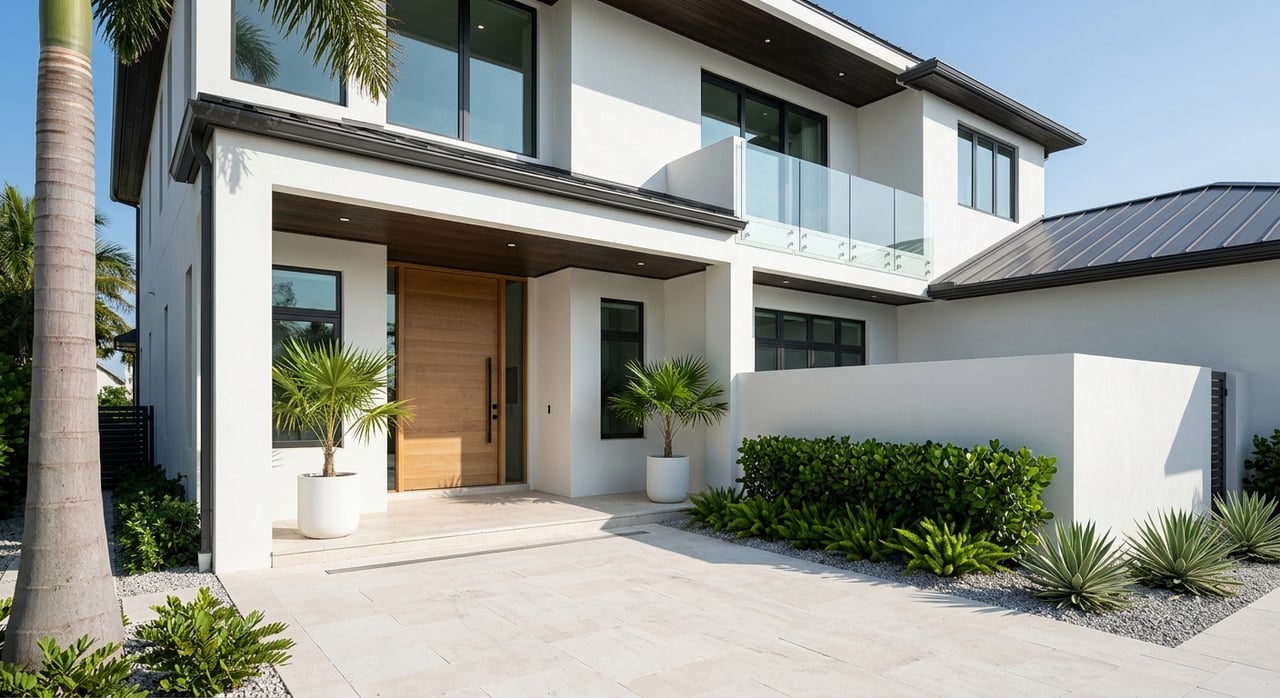
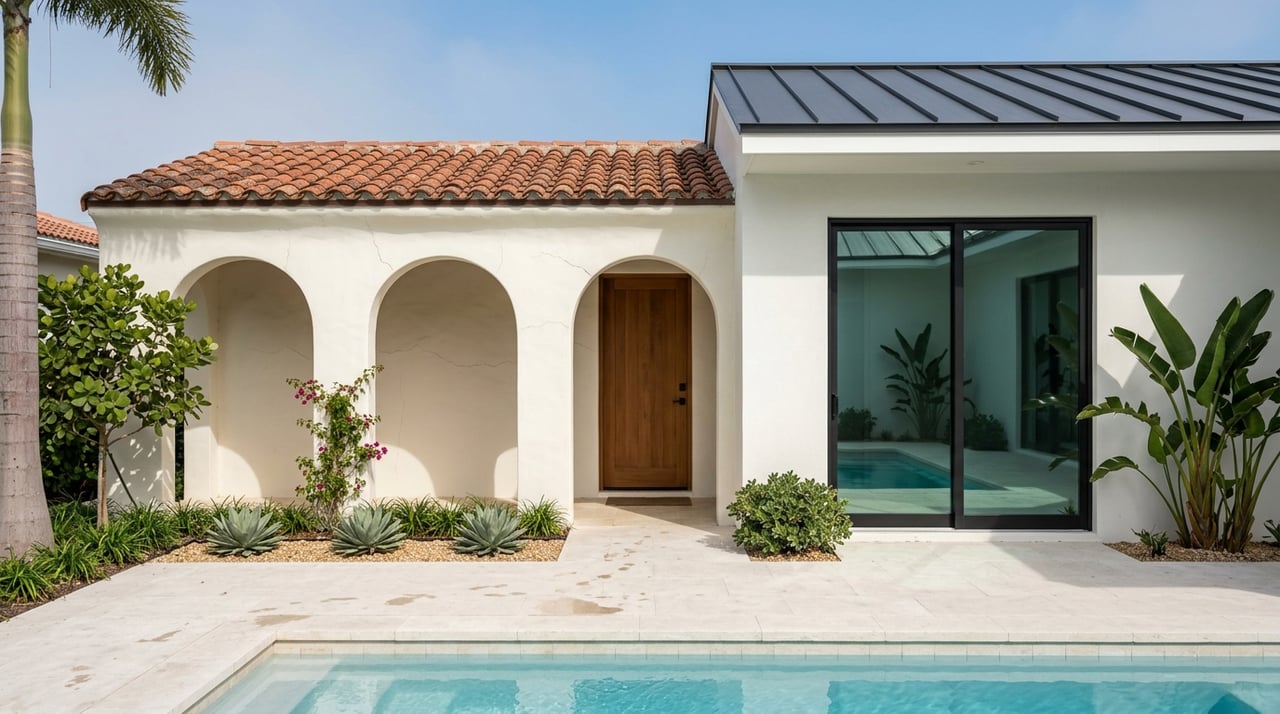
A single-family home in Olde Naples usually means you are buying a standalone parcel rather than a unit in a shared building. In practical terms, that often gives you more separation from neighbors and more direct control over your lot and outdoor areas.
For many buyers, that added control is the biggest advantage. You may have more flexibility in how you use outdoor space, approach landscaping, or think about privacy, especially when compared with a property that includes shared common elements.
Olde Naples also has a residential fabric that reflects its long history. The neighborhood includes older cottage-era properties and landmark homes, including Historic Palm Cottage, which was built in 1895 and remains a useful example of the area’s early residential character.
Single-family ownership can also mean more owner-driven upkeep. Unless the home is inside a separate HOA with defined responsibilities, maintenance decisions and costs may fall more directly on you.
That matters if you want a simple second-home setup. Before you buy, it is smart to confirm who handles exterior items and whether there are any community rules that affect maintenance, shared improvements, or property use.
Under Florida law, a condominium is ownership of a unit together with an undivided share in the common elements. Those common elements are the parts of the property not included inside the unit, and common expenses are assessed among unit owners.
That legal structure shapes daily life more than many buyers expect. The association is generally responsible for maintaining the common elements unless the declaration assigns certain limited common elements to the unit owner, and the declaration may also define responsibility for items such as roofs, exteriors, windows, balconies, elevators, corridors, amenities, and utilities.
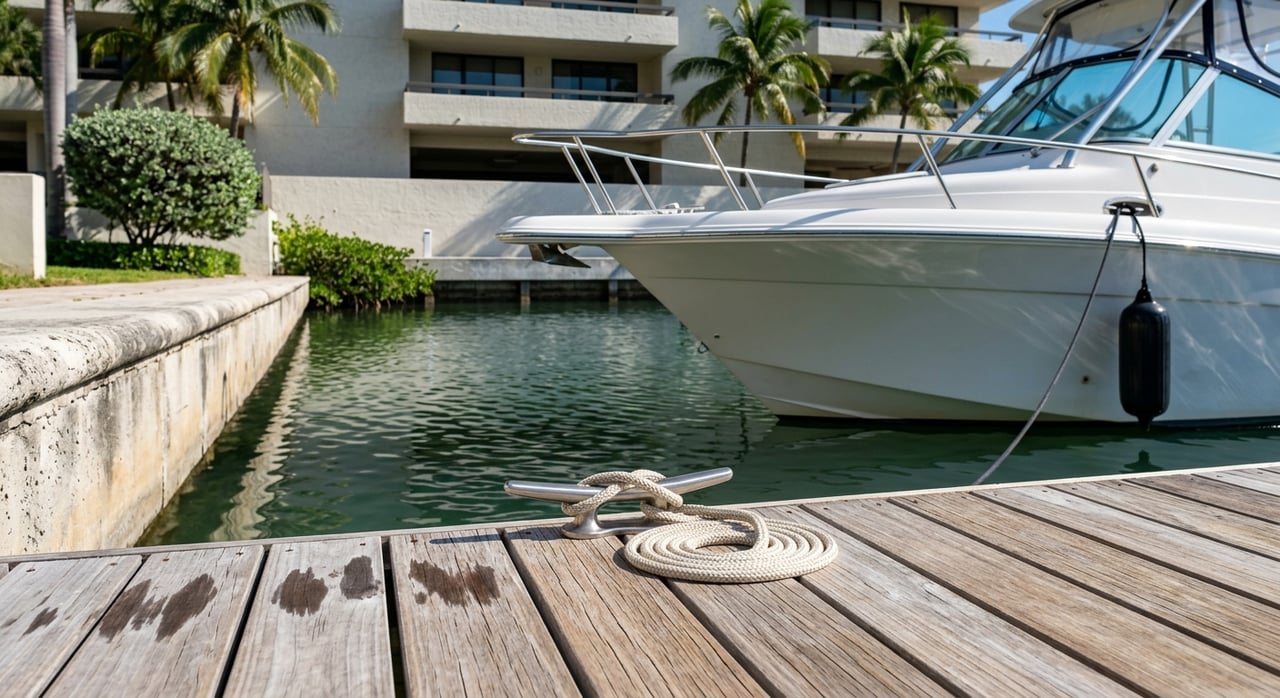
In practical terms, that often makes condo ownership feel more maintenance-light than owning a detached home. While every building is different, condos are often a strong fit for buyers who want a lock-and-leave property for seasonal use or a second home.
Location is another reason condos attract buyers in Olde Naples. City and tourism materials describe downtown Naples as highly walkable, and west of 3rd Street is commonly described as condo row, with the beach closely tied to that area.
Convenience comes with structure. Because condo ownership includes shared common elements and shared expenses, you should review the declaration, budget, rules, and maintenance responsibilities before making a decision.
This is especially important if you have specific goals for rentals, pets, parking, guest use, or storm-preparedness features. The details can vary widely from one building to another, even within the same neighborhood.
For most buyers, the biggest choice between a single-family home and a condo in Olde Naples comes down to privacy versus convenience. A single-family home often offers more private outdoor space and fewer shared boundaries, while a condo often offers a simpler maintenance setup and easier access to the downtown-beach lifestyle.
In Olde Naples, that tradeoff is tied to the neighborhood layout. If you picture yourself on a more secluded residential block, a house may feel like the better fit. If you want to step out and quickly reach the beach, Third Street South, or Fifth Avenue South, a condo may align better with how you plan to live.
Olde Naples is not defined by one architectural style. City materials point to an older housing stock mixed with newer replacement homes and multifamily buildings, which helps explain why the neighborhood feels eclectic rather than master-planned.
That variety is part of the appeal. Some buyers want the charm and individuality of an older home, while others prefer the simplicity and consistency that can come with condo living or newer construction.
A preservation note from the Naples Historical Society also explains that Mediterranean Revival is relatively uncommon in the historic district because much of Naples predates the 1925 to 1926 real estate boom. In other words, Olde Naples has a different visual rhythm than buyers sometimes expect if they are comparing it with other Florida coastal areas.
If you are considering an older single-family home, do not assume exterior changes will always be straightforward. The City of Naples maintains a historic preservation and rehabilitation process for historic buildings, which can affect what changes are allowed on certain properties.
That does not mean older homes are off the table. It simply means renovation plans should be reviewed early, especially if exterior updates are part of your vision.
For buyers who want flexibility, this is one of the most important practical checks to make before moving forward. A beautiful property may still be the right fit, but the process for changes could be more involved than expected.
Whether you are leaning toward a house or a condo, the right questions can quickly clarify which option suits you best. In Olde Naples, a few details matter more than they might in a newer, more uniform community.
If you want more privacy, more control over outdoor space, and a more residential feel, a single-family home will often be the better match in Olde Naples. This path may especially appeal to buyers who see the property as a personal retreat and want greater separation from shared spaces.
If you value simplicity, walkability, and a maintenance-light setup near the beach and downtown, a condo may make more sense. This option often works well for second-home buyers, seasonal residents, and those who want to spend less time managing exterior upkeep.
In the end, the right answer usually has less to do with the neighborhood name and more to do with how you want to live in it. Olde Naples offers both experiences, which is exactly why it continues to attract such a wide range of buyers.
If you are weighing the tradeoffs and want a clear, concierge-level perspective on which Olde Naples property type best fits your goals, Michael Dekic can help you narrow the options and search with confidence.
Stay up to date on the latest real estate trends.
Meet Michael Dekic, your dedicated real estate expert. Ready to guide you to your dream home!