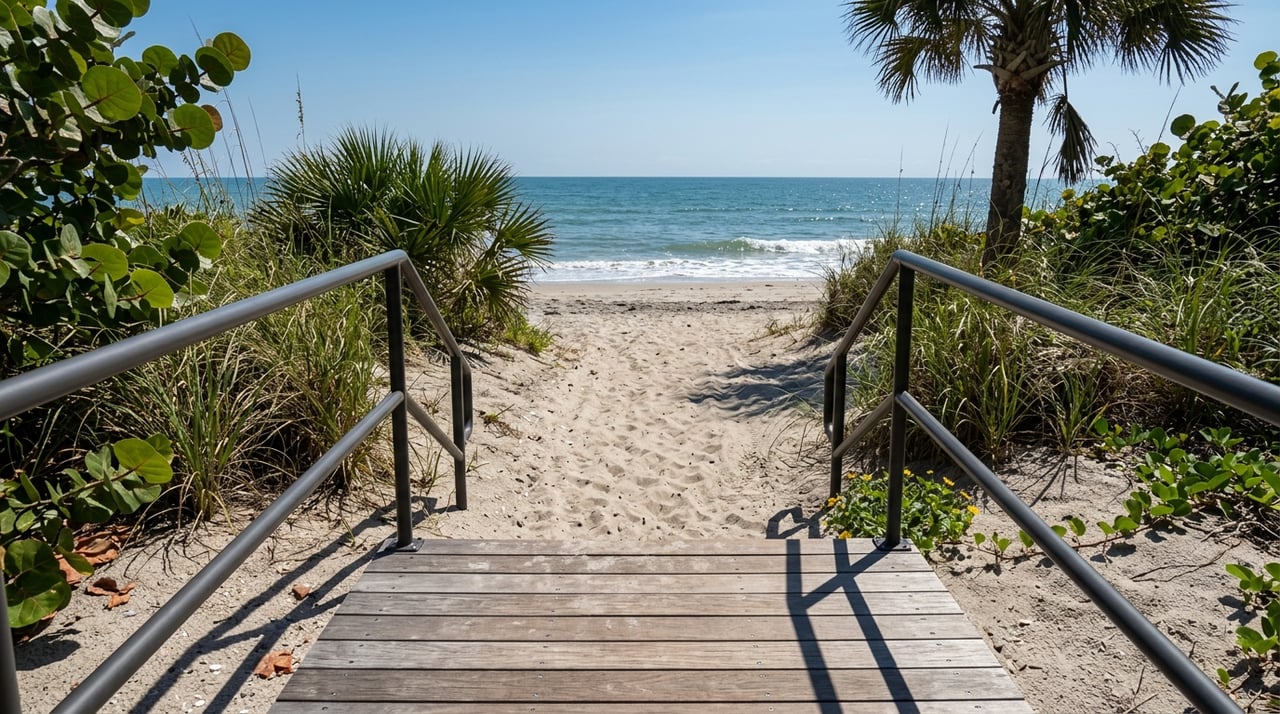
Park Shore Beach Access Guide for Naples Buyers
June 25, 2026
June 25, 2026
If you are looking at Park Shore, private beach access is probably one of the first things you want to understand. It is also one of the most misunderstood parts of the neighborhood, especially for out-of-area buyers comparing condos, single-family homes, and nearby Gulf-front communities. The good news is that the system is straightforward once you know who qualifies, how entry works, and what your public backup options are. Let’s dive in.
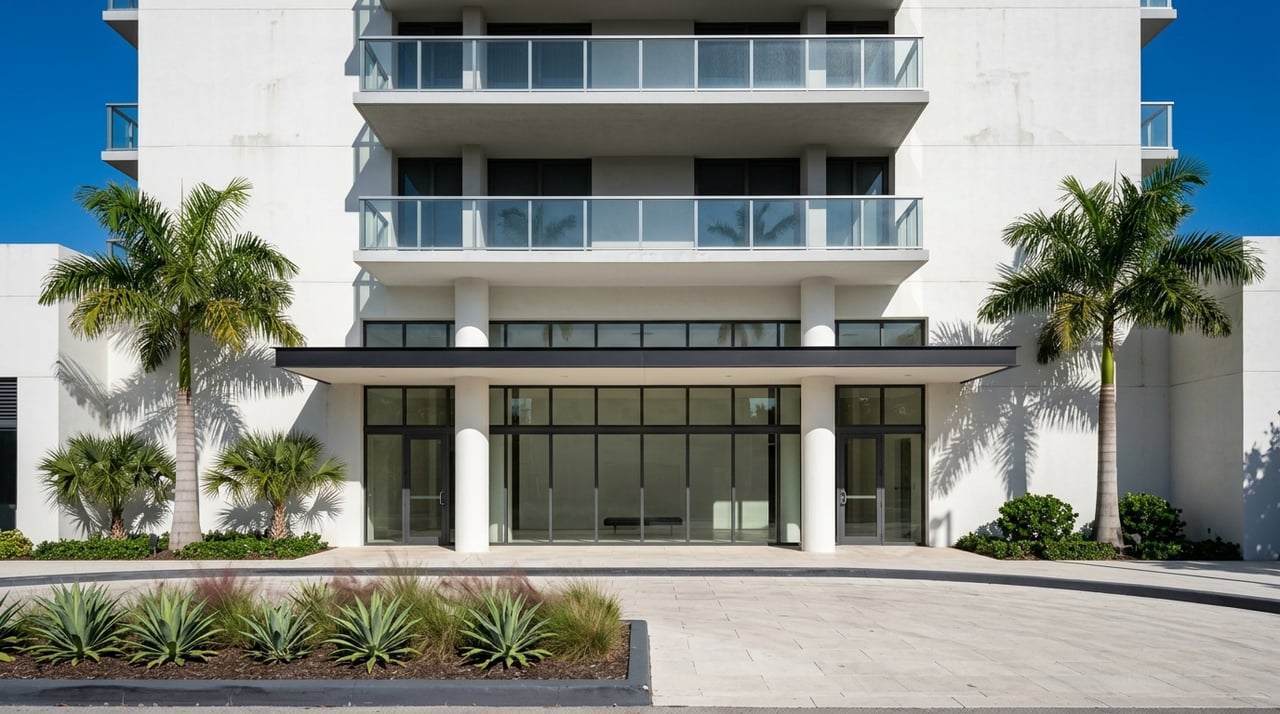
Park Shore is a Naples neighborhood west of US 41 along the Gulf, and its layout helps explain why beach access works the way it does. According to the Park Shore Association and the City of Naples, the community is organized into five plats, with mainland residential areas in Units 1, 3, and 4 and many high-rise and mid-rise buildings in Units 2 and 5 along Gulf Shore Boulevard and Venetian Bay.
Because of that setup, Park Shore does not operate like a neighborhood where each property has its own separate beachfront entry. Instead, qualifying owners can access a shared private beach amenity through the Park Shore Association.
The centerpiece of private beach access in Park Shore is Raymond L. Lutgert Beach Park. The Park Shore Association describes it as a 200-foot, 2.7-acre private beachfront park for the exclusive use of association members.
The association states that the land was donated by the Lutgert family in 1978 so Park Shore residents could enjoy a quiet place on the beach. That history still shapes the experience today, with controlled access and rules designed to preserve a calm beachfront setting.
Private beach access in Park Shore is ownership-based. The association’s current membership information says that property owners of single-family parcels or residential condominium units within the Park Shore map boundaries may join.
That distinction matters if you are evaluating a purchase. Access is tied to qualifying ownership within Park Shore, and the association identifies itself as a voluntary neighborhood association rather than an HOA.
No. The Park Shore Association describes membership as voluntary, even for eligible owners within the neighborhood boundaries. In other words, owning in Park Shore may make you eligible to join, but beach access is tied to active association membership rather than neighborhood address alone.
For buyers, that means it is smart to confirm current membership status, dues, and access procedures during your due diligence period. If beach access is a major part of your decision, you want clarity early.
For readers weighing lifestyle value, cost is usually part of the conversation. The association says 2026 annual dues are $300, and the new-member initiation fee is $1,000.
In the context of Park Shore real estate, many buyers see that as part of the broader coastal ownership equation. Still, you should always verify the latest figures and procedures directly during a transaction, since association policies can change over time.
Access to the private beach park is card-controlled. Current park rules state that admittance by vehicle, bike, or on foot requires an active membership card.
The association also notes that members should show their pass to the main gate guard and the parking lot attendant. Membership cards are distributed by block captains and are not mailed.
The access system is physically managed as well as card-controlled. Park rules describe a shared security gate with adjacent condominium owners, with a left lane for Park Shore residents and a right lane for condo residents.
From there, the sidewalk from the parking lot through the park provides beach access. The association also notes that the north-south sidewalk is owned and maintained by the adjacent condominium owners, which reinforces that this is a controlled private access system rather than a public boardwalk setup.
On a practical level, Park Shore’s beach access tends to feel more structured and private than a typical public beach entrance. The card checks, gate control, and member-only rules create an experience centered on restricted use and a quieter atmosphere.
That private feeling is part of the appeal for many Park Shore buyers, especially those looking for a second home or seasonal residence with a more controlled coastal routine. It is not just about reaching the sand. It is about how that access fits into your day-to-day lifestyle.
The private park is meant for quiet enjoyment, and the current rules are specific. Hours are dawn to dusk.
The rules also state:
If you are considering Park Shore, these details are worth noting because they shape the beach experience as much as the location itself.
Beach access in Park Shore is not just a standalone amenity. The association also presents the neighborhood as a walkable coastal area, with Venetian Village at the center and destinations such as Waterside Shops, Artis-Naples, Clam Pass Park, and other everyday conveniences nearby.
For many owners, that means the beach is part of a broader on-foot lifestyle. You are not simply driving to a shoreline entrance. You are living in a neighborhood where coastal access connects with dining, shopping, and daily routines.
Even if private access is a major draw, it helps to know the public alternatives nearby. The City of Naples says there are 24 permit-only beach ends reserved for city and county permit holders, while visitors can use designated metered access points.
The city also states that Collier County property taxpayers and full-time residents can receive free annual permits valid at city and county beaches. For some owners, that adds useful flexibility beyond Park Shore’s member-only system.
One of the closest public alternatives is North Gulfshore Beach Access. Collier County describes it as a beach walkway between the Seagate and North Gulf Shore Boulevard condominiums, with 38 parking spaces and dawn-to-dusk hours.
The county also says parking is $10 for those without a Collier County resident beach parking permit. In addition, the beach can be reached on foot from the ends of Seagate Drive and North Gulf Shore Boulevard.
The City of Naples also lists Seagate Drive beach access and Lowdermilk Park among visitor-access locations. For buyers, that means Park Shore benefits from two separate Gulf access frameworks.
One is the private, member-only beach park for qualifying owners who join the association. The other is the public and permit-based beach network available through city and county access points.
If private beach access is high on your wish list, a few questions are worth asking before you buy. This is especially true if you are purchasing from out of state, buying seasonally, or comparing Park Shore with other Naples waterfront neighborhoods.
Here is a simple checklist to keep in mind:
These are practical questions, but they can have a big impact on how you use the property after closing.
In Park Shore, beach access is not just a nice extra. For many buyers, it is part of the neighborhood’s identity and part of what supports long-term appeal. A private beach park, a controlled access system, and nearby public options create a layered coastal lifestyle that is different from many other Naples neighborhoods.
If you are buying for personal use, seasonal living, or long-term value, understanding exactly how access works can help you choose the right property with more confidence. That kind of clarity matters, especially in a high-value coastal market where details shape both experience and expectations.
If you want help comparing Park Shore homes or condos and understanding how private beach access fits your purchase goals, Michael Dekic offers a concierge-level approach backed by deep Naples market knowledge.
Stay up to date on the latest real estate trends.
Meet Michael Dekic, your dedicated real estate expert. Ready to guide you to your dream home!