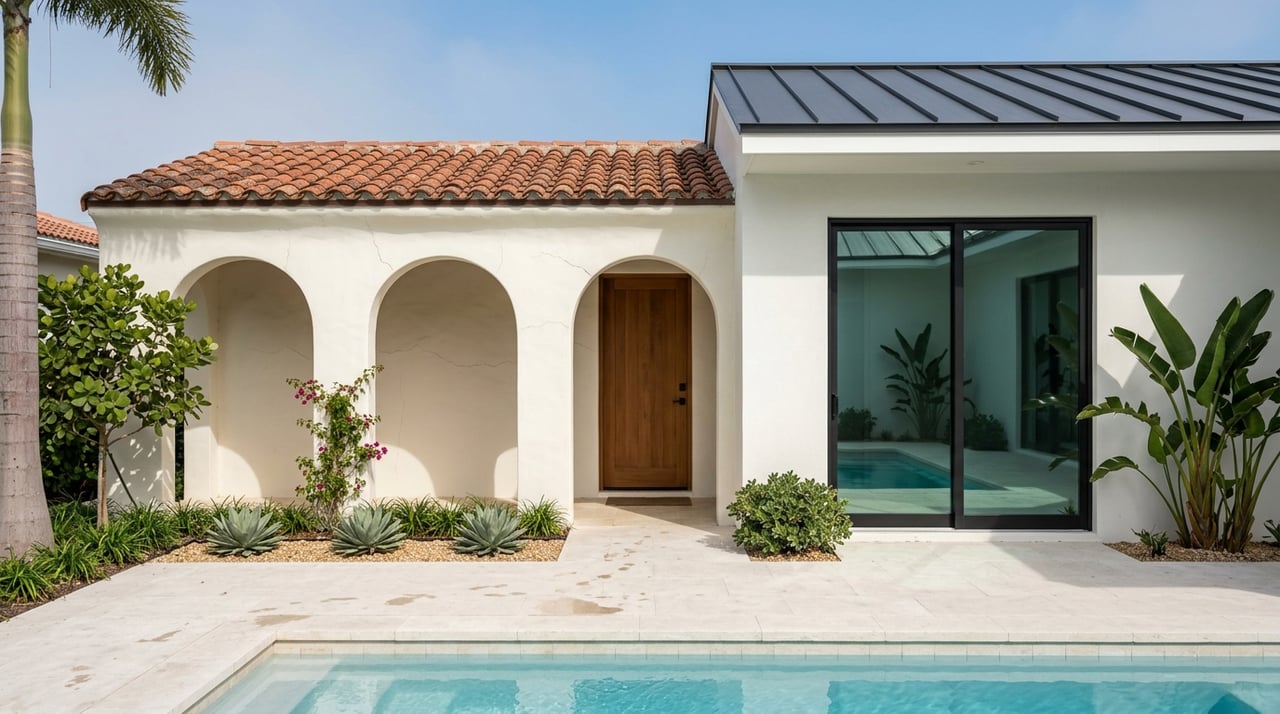
Olde Naples Historic Charm Versus New Construction Estates
July 9, 2026
July 9, 2026
If you are deciding between a character-filled older home and a newly built estate in Olde Naples, the choice is rarely as simple as charm versus convenience. In this neighborhood, what really shapes your experience is how a property fits within city historic rules, floodplain requirements, and coastal building conditions. Understanding those differences can help you buy with more confidence, protect your flexibility, and match the home to the way you want to live. Let’s dive in.
Olde Naples is the beach-adjacent core of the City of Naples, and city materials describe it as home to many of the original residences in Naples. You will find mature palms, tropical landscaping, and a mix of older homes and newer residences stretching from Third Street South toward the beach. That blend is part of what makes the neighborhood so appealing.
For buyers, the real distinction is often not simply the age of the home. A more important question is whether the property sits within the historic district overlay or has historic-review obligations. That one detail can affect renovations, additions, demolition, and long-term flexibility.
Historic and older homes in Olde Naples often appeal to buyers who value original character, neighborhood texture, and a sense of stewardship. These homes can reflect early Naples architecture and offer details that are difficult to recreate today. If you are drawn to authenticity, this side of Olde Naples can be especially compelling.
One of the biggest misconceptions is that every older home is automatically considered historic. City code makes a clear distinction. A property may be a historic building because of National Register listing, district contribution, or state eligibility, while another older home may simply be older without carrying the same designation.
That matters because a contributing resource inside the district is treated differently from an older house outside it. If you are considering a classic cottage or bungalow, it is worth confirming exactly how the city classifies the property before you focus on design ideas or renovation plans.
According to Naples Historical Society materials, the most common historic district style is Frame Vernacular. You may see wood siding, porches, gable roofs, dormers, wood windows, and shutters. Later Craftsman bungalows and early minimal-traditional or ranch houses also appear in the district.
These architectural elements can create a softer, more established look than many newer homes. For some buyers, that visual character is the entire reason to choose an older property in Olde Naples.
If a home is classified as historic, the preservation layer matters as much as the architecture itself. The city ordinance says work on historic buildings, including exterior work, interior work, additions, and demolition, must be reviewed and approved by the Florida State Historic Preservation Office before the city permit submittal, with limited exceptions.
Those exceptions may include certain minor plumbing, electrical, mechanical, and fire-alarm work, along with some Level 1 kitchen or bath upgrades that do not affect the exterior. If you like the look of a historic home but want major changes, this review process is one of the first things to evaluate.
For homes built before 1978, lead-paint considerations may also come into play. EPA guidance notes that older homes are more likely to contain lead-based paint, and HUD requires lead-based-paint disclosure information for buyers and renters of most housing built before 1978.
If you plan to renovate, EPA also recommends lead-safe certified contractors and lead-safe work practices when painted surfaces are disturbed. This does not mean every older home is a problem. It means you should be ready for a more careful review process before making updates.
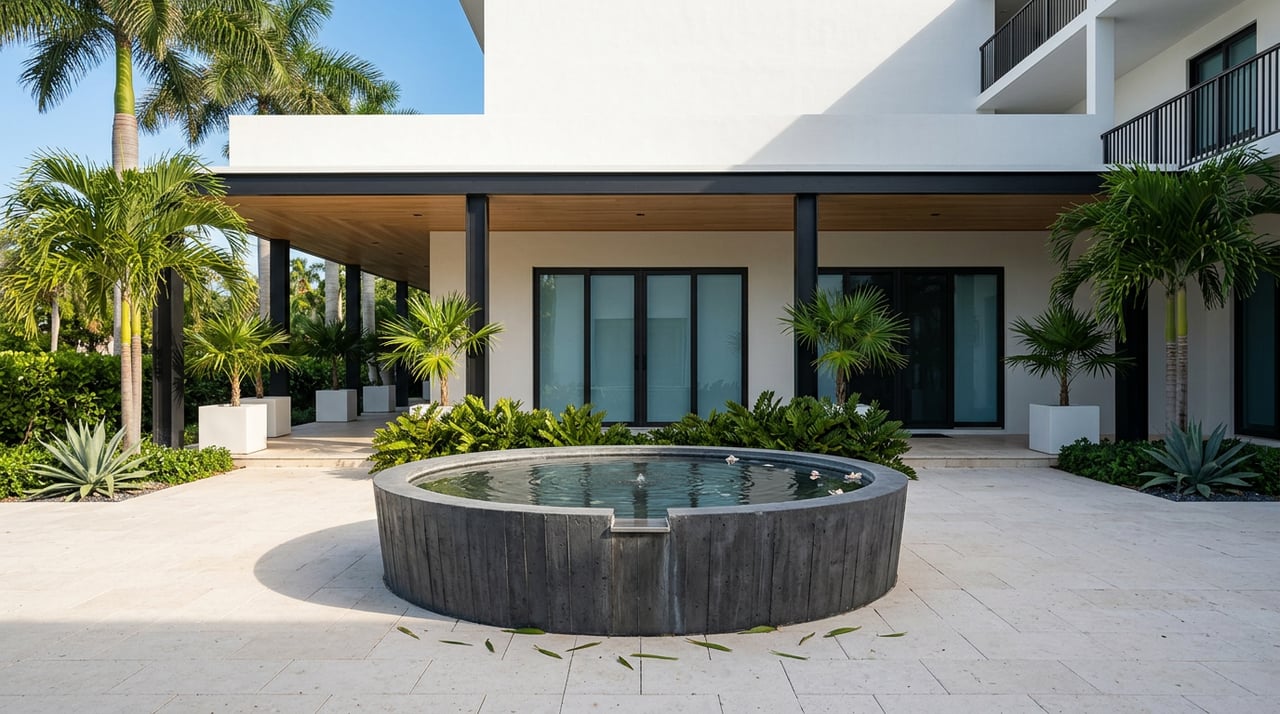
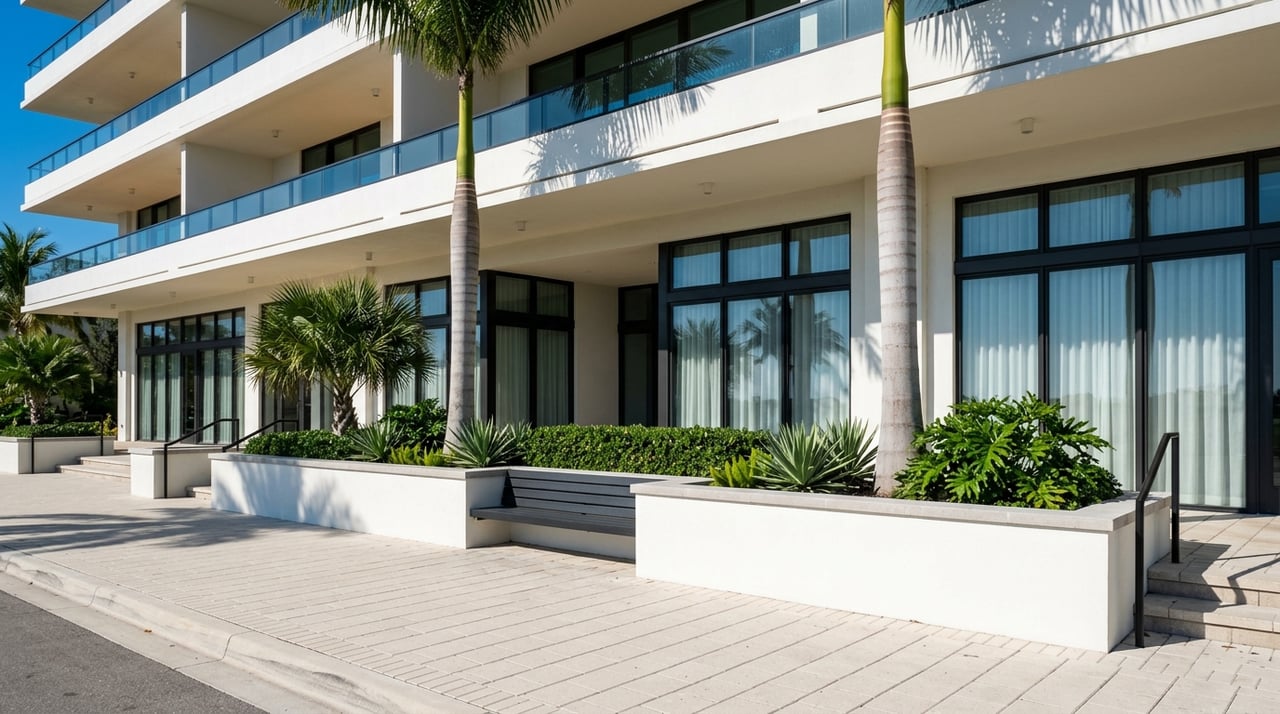
New construction in Olde Naples tends to attract buyers who want current systems, cleaner design flexibility, and fewer preservation-related hurdles. These homes are generally governed by current planning, zoning, floodplain, and building code rules rather than historic-preservation review. For many buyers, that creates a more predictable path from purchase to move-in or customization.
Newer homes often allow more freedom in layout and exterior expression, but that does not mean unlimited freedom. The Naples Planning Department notes that development and redevelopment may require a pre-application meeting. The Building Department also states that permits submitted on or after December 31, 2023 must comply with the 8th Edition Florida Building Code.
In practical terms, you may have more latitude with a new construction estate than with a designated historic home. Still, your plans must fit the city’s current planning and code framework.
The City of Naples says almost all permitted development requires floodplain review. That makes flood-zone status an active part of both design and ownership costs. The city’s 2024 Flood Insurance Rate Maps are in effect for construction and insurance purposes, so buyers should treat flood exposure as a current issue, not a background detail.
City guidance also notes that recent construction practices and regulations make new structures less prone to flood and hurricane damage. Common mitigation features may include impact-resistant windows, reinforced garage doors, relocated utilities, raised finish-floor elevation, yard regrading, and other floodproofing methods.
If a lot is close to the beach, the Coastal Construction Control Line may affect what you can do. The city states that building permits are required for construction seaward of the CCCL, and landscaping in those areas must use native beach-stabilizing species.
For buyers considering a teardown-and-build strategy near the shoreline, that means the lot itself needs as much evaluation as the house plan. Two parcels in Olde Naples may feel similar at first glance but carry very different site constraints.
The right fit usually comes down to how you weigh character, control, and future plans. Historic homes often offer scarcity and a strong sense of place. New construction homes often offer more contemporary systems and fewer near-term retrofit decisions.
Neither option is automatically better. The stronger choice is the one that aligns with your goals, timeline, and comfort level with regulation and upkeep.
| Factor | Historic or Older Home | New Construction Estate |
|---|---|---|
| Main appeal | Original character and neighborhood authenticity | Modern systems and design flexibility |
| Review process | May require preservation review depending on classification | Usually follows current planning, zoning, and code rules |
| Renovation ease | Can be more limited if historic | Often more straightforward within current regulations |
| Flood and coastal issues | Still relevant | Still relevant |
| Buyer fit | Best for buyers who value character and stewardship | Best for buyers who prioritize flexibility and current construction |
Resale in Olde Naples is often about buyer fit more than a simple old-versus-new debate. Historic homes can appeal strongly because of scarcity, original details, and a setting that feels rooted in Naples history. At the same time, preservation rules may narrow the pool to buyers who appreciate that character and are comfortable with the added constraints.
New construction can attract buyers who prefer contemporary living and fewer immediate upgrade decisions. Even so, long-term value still depends on lot quality, flood exposure, insurance cost, and whether the property is in a regulated coastal area.
Before you compare one showing to the next, it helps to ask a few direct questions. These answers can quickly reveal whether a property fits your expectations.
If you picture shaded streets, early architectural details, and the responsibility of preserving something distinctive, a historic or older home may feel deeply rewarding. If you want a home shaped more by current code, modern building practices, and a more flexible design path, a new construction estate may be the better match.
In Olde Naples, both paths can be exceptional. The key is knowing what sits behind the curb appeal so your purchase supports both your lifestyle and your long-term plans. If you want a polished, local perspective on Olde Naples properties, regulations, and lot-by-lot differences, Michael Dekic can help you navigate the options with a concierge approach.
Stay up to date on the latest real estate trends.



Meet Michael Dekic, your dedicated real estate expert. Ready to guide you to your dream home!