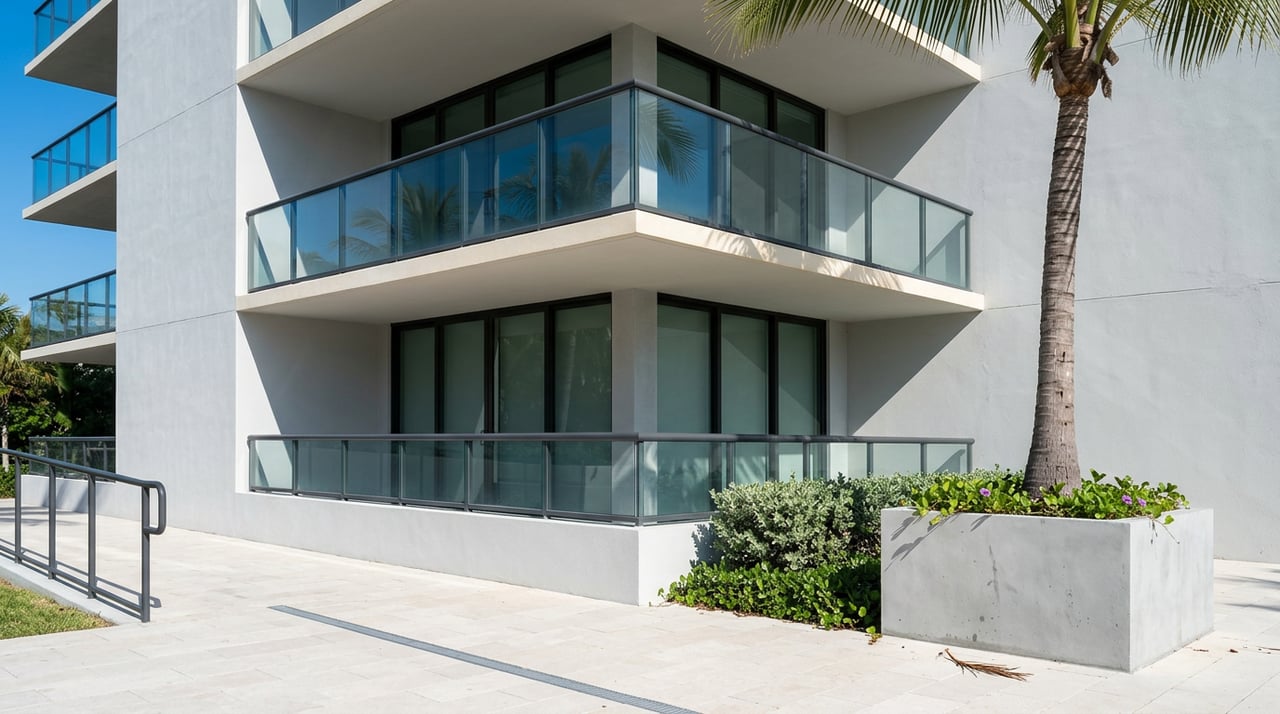
How To Read The Park Shore Condo Market As A Luxury Client
March 5, 2026
March 5, 2026
If you are eyeing a Park Shore condo, you are shopping one of Naples’ most nuanced micro-markets. Views, amenities, association health, and even insurance profiles can swing value and liquidity in ways that generic market stats miss. In this guide, you will learn the key signals luxury clients watch, how to compare gulf and bay buildings, and a simple workflow you can use to make decisions with confidence. Let’s dive in.
Park Shore offers a rare mix of gulf-front high-rises, bayfront mid- and high-rises along Venetian Bay, and low-rise options. The variety is a strength for lifestyle choice, but it also means you must compare apples to apples. Gulf-facing stacks, bay-facing stacks, and lateral exposures each behave differently. Once you separate buildings and exposures, the pricing logic becomes clearer.
Months of supply is active listings divided by the average number of closed sales per month over a set window. Industry guidance often treats under 4 months as a seller’s market, around 4 to 6 months as balanced, and over 6 months as a buyer’s market. That rule of thumb comes from national housing economics and is a useful starting point. See the definition from the National Association of REALTORS in their overview of inventory and months supply. Read the NAR explanation of months supply.
How to use it here: luxury condos can show higher “normal” months of supply than entry-level segments because of smaller, seasonal buyer pools. Compute months of supply by building and by exposure over 3, 6, and 12 months. Use it to set pace expectations: how patient you should be as a seller or how quickly you should act as a buyer.
Median price helps reduce the impact of one-off penthouse sales in a small sample. Price per square foot lets you compare buildings and floor plans when living areas differ. Use both, but always state which one drives your conclusion. For a building comparison, lean on price per square foot paired with floor, exposure, and renovation level.
Days on market shows absorption speed and leverage. Segment results by bands, such as the share selling within 30, 60, 90, and 180 days. Rising days on market and a higher share of price reductions signal more negotiation room. For county context on timelines and price-cut trends, check the latest Naples Area Board of REALTORS monthly report. Review the NABOR monthly market statistics.
The sale-to-last-list ratio shows how close buyers and sellers agree at the finish. Combine it with price history. Multiple reductions or quick relists often point to pricing tests finding the market. In buildings with scarce inventory, this ratio can stay tighter even if broader conditions appear balanced.
Cash vs financed closings help you understand liquidity and the likely negotiation profile. Also note investor share and rental policies. Higher rental percentages or limited reserves can affect financing options because lenders use project-level standards. For underwriting rules and how they influence eligibility, review Fannie Mae’s project standards. See Fannie Mae’s condo project standards.
Do not just count total listings. Split them by exposure (gulf, bay, or lateral) and by bedroom count. A balanced market in 2-bedroom bay units can exist at the same time a 3-bedroom gulf stack shows tight supply. Your strategy should match the micro segment you are in.
Water views carry measurable premiums, but the size of that premium varies by market, view quality, and the cycle. Academic summaries show that unobstructed ocean views often command larger premiums than partial views, and waterfront access can add more. The right way to price the premium in Park Shore is to derive it from recent local comps, not a fixed percentage. For background on how view premiums vary over time and across markets, see the appraisal literature summary on water-view value. Explore research on water-view premiums.
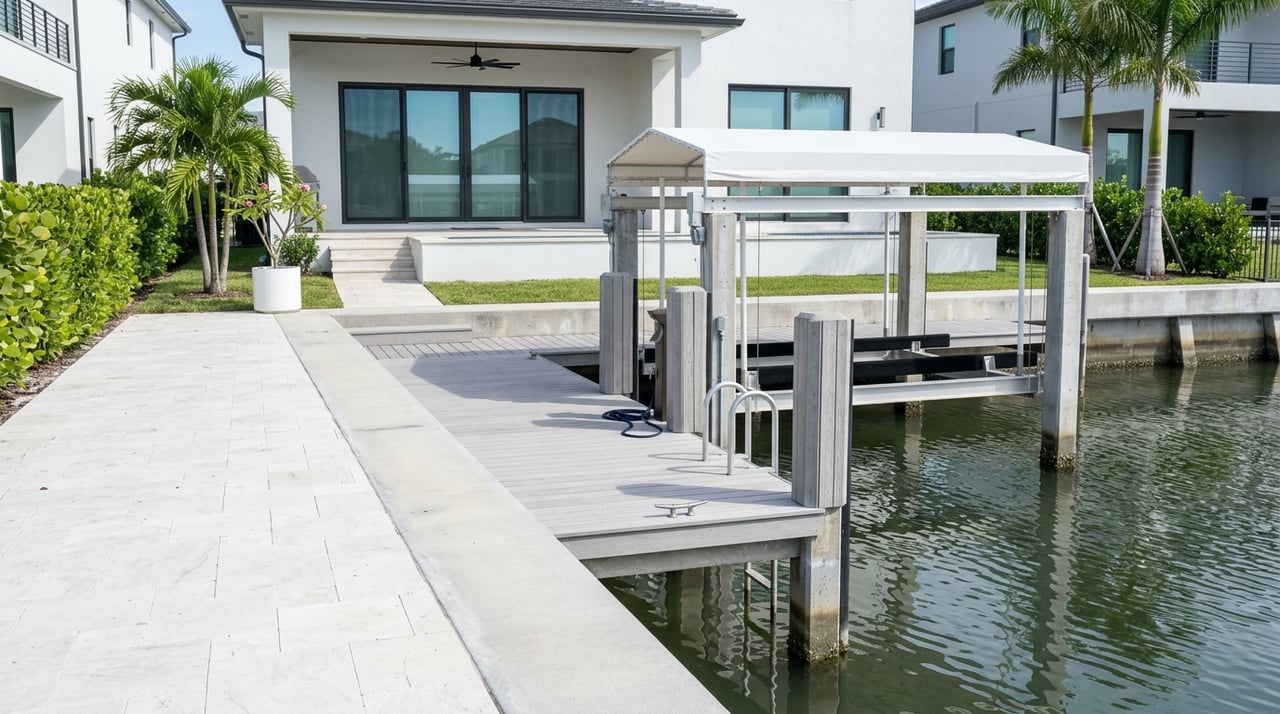
How it translates locally: gulf-front units trade on direct beach access and sunset views. Bayfront units trade on boating access, protected water, and marina convenience. Buyer profiles differ, which can change seasonality and liquidity.
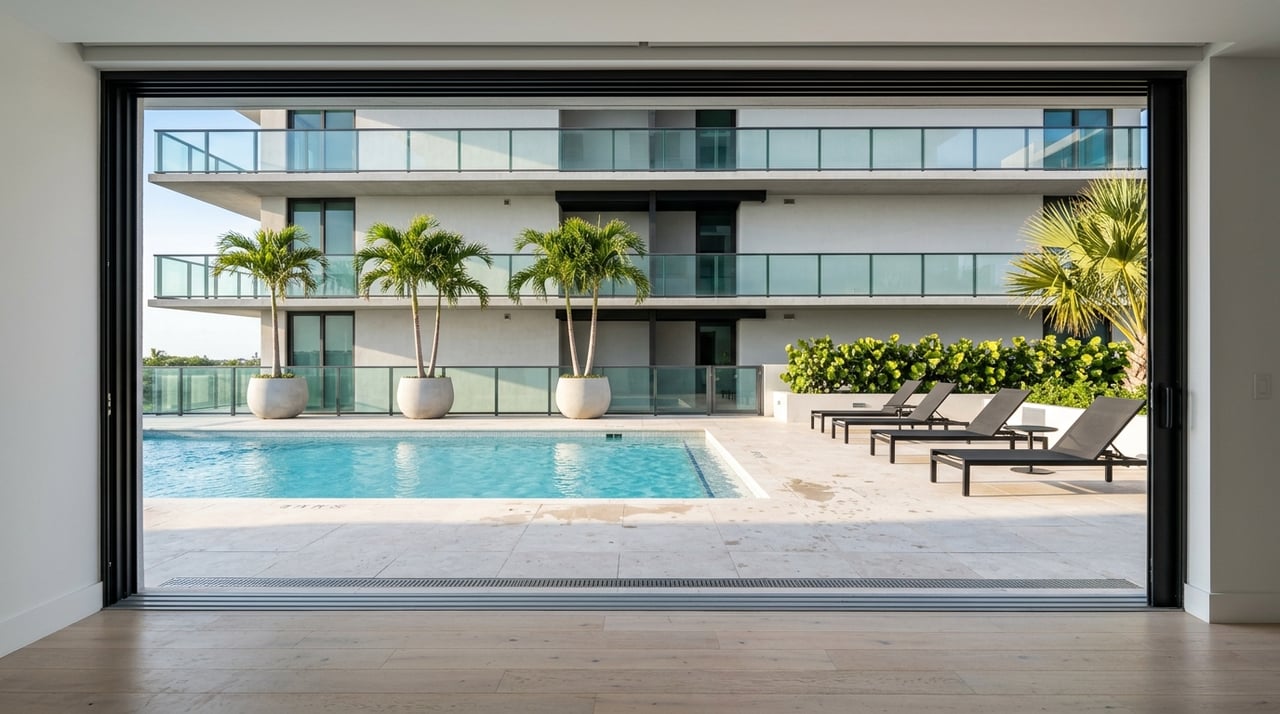
Amenities that tend to matter most to Park Shore luxury buyers include direct deeded beach access, deeded boat slips or docks, private elevator or foyer, garage parking, high-floor terraces or penthouses, recent renovations, hurricane-impact glazing, quality common areas, and staffed security or concierge services. These features influence both resale value and days on market. When you price or bid, compare like-kind amenities between comp sets.
Association strength is a core part of value. After Surfside, Florida’s milestone inspections and structural reserve rules changed how associations plan and fund capital needs. For buildings three stories or higher, milestone inspections and structural reserve studies are required on specific timelines, and shortfalls can lead to special assessments. Review a building’s inspection status, reserves, and any planned remediation. For an overview of Florida’s milestone inspection program and reserve funding guidance, see the practitioner summary. Understand Florida’s milestone inspections.
Florida’s condo law also governs resale disclosures and which documents buyers receive. Before you commit, read the most recent year-end financials, reserve study, budget, and any special assessment language. Review Florida Statute 718.503 on condo resale documents.
Insurance is now a material part of total cost and buyer demand. Confirm the building’s FEMA flood zone, request the elevation certificate if available, and seek a contemporaneous quote from a local insurer. Gulf-front buildings often face higher flood or wind exposure, which can affect premiums. Use the City of Naples flood tools to map a building’s zone. Check flood zones with the City of Naples map tools.
Financing access depends on project eligibility. High rental shares, ongoing litigation, or low reserves can limit conventional or government-backed loan options. Even in luxury segments with many cash buyers, financing constraints can reduce the pool of bidders and affect liquidity. Review the Fannie Mae project standards.
Use this simple, repeatable workflow to see Park Shore clearly. Time windows: 12 months for context, then 6 and 3 months to spot short-term shifts.
The Naples market has shown periods of rising inventory and longer marketing times in several segments recently, according to recurring county reports. That backdrop can create more negotiation room in some Park Shore niches while others remain tight. Always anchor your plan in building-level data and the latest county context. You can download the most recent countywide snapshot from the Naples Area Board of REALTORS to frame your micro analysis. Access the latest NABOR report.
Choose your exposure based on daily life, not just headline price. If sunsets and sand are your north star, a gulf-front stack can be worth the premium and the potential for higher insurance costs. If boating and protected water are central, a bayfront building with docks may deliver the best value. Price the differences using recent local comps and confirm the operating costs so your decision balances lifestyle and total carry.
You deserve more than generic stats when you are buying or selling a Park Shore condo. With a boutique, concierge approach and deep building-level knowledge, we assemble the exact comp sets, view adjustments, inspection status, and insurance context you need to act with clarity. Our global reach through Christie’s International Real Estate and LeadingRE helps sellers capture qualified exposure, and our multilingual service supports out-of-state and international buyers, including sight-unseen purchases.
If you want a private, data-forward strategy for a specific Park Shore building or stack, let’s talk. Connect with Michael Dekic to start with a tailored analysis and a plan that fits your goals.
Stay up to date on the latest real estate trends.



Meet Michael Dekic, your dedicated real estate expert. Ready to guide you to your dream home!