Royal Harbor Second Home Buying Essentials
March 24, 2026
March 24, 2026
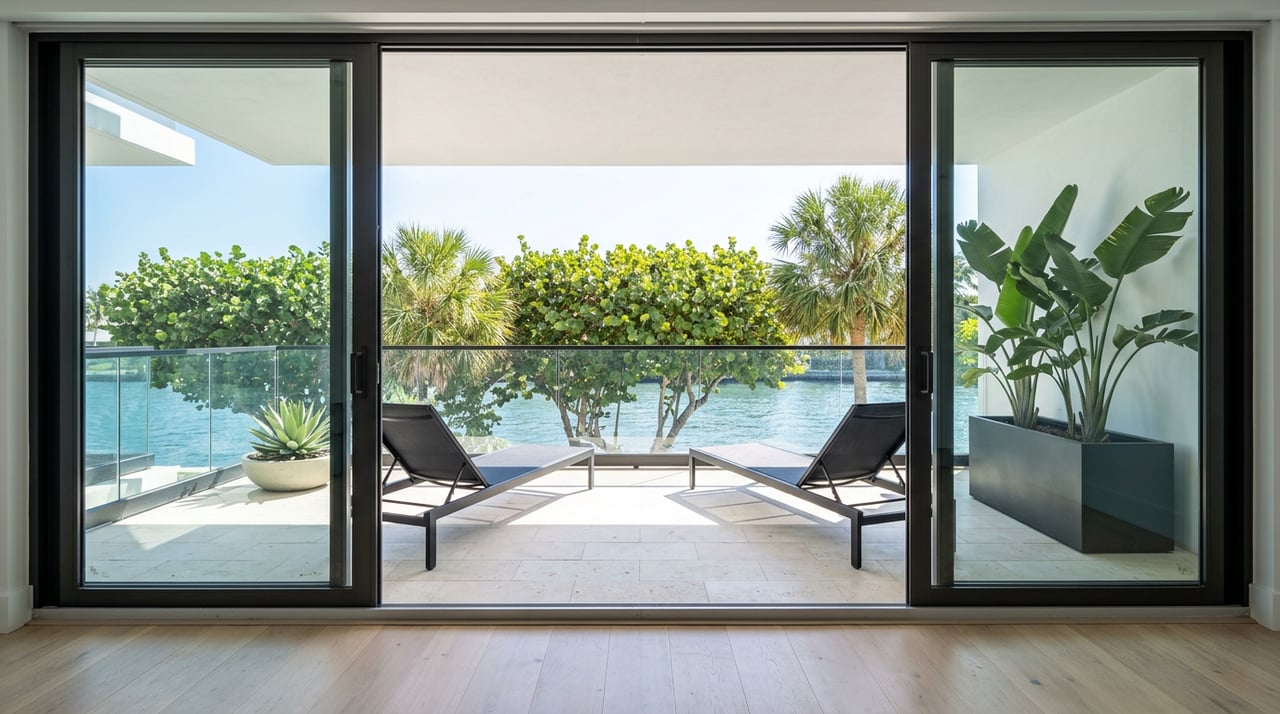
Picture this: sunrise over Naples Bay, your boat on the lift, and a quiet canal ride to lunch on Fifth Avenue South. If you are exploring Royal Harbor as a seasonal retreat, you want the best of waterfront living without surprises. In this guide, you will learn how to evaluate docks and depths, plan for insurance and maintenance, understand rental rules, and follow a smart due diligence checklist. Let’s dive in.
Royal Harbor sits on the east side of Naples Bay, minutes from Old Naples and Fifth Avenue South. The neighborhood is known for boating and direct bay access. You will see mostly single‑family waterfront homes on canals and the bay, plus a smaller group of low‑rise condos. Many original mid‑century homes have been renovated or replaced with new luxury builds.
Royal Harbor is a high‑value waterfront pocket in Naples. Public market trackers have reported recent neighborhood medians in the mid to high seven figures, roughly 1.7 to 2.3 million dollars depending on source and date. Treat these as context, not a quote for any one street. For accuracy, compare recent sales on the same canal or bay orientation you are targeting.
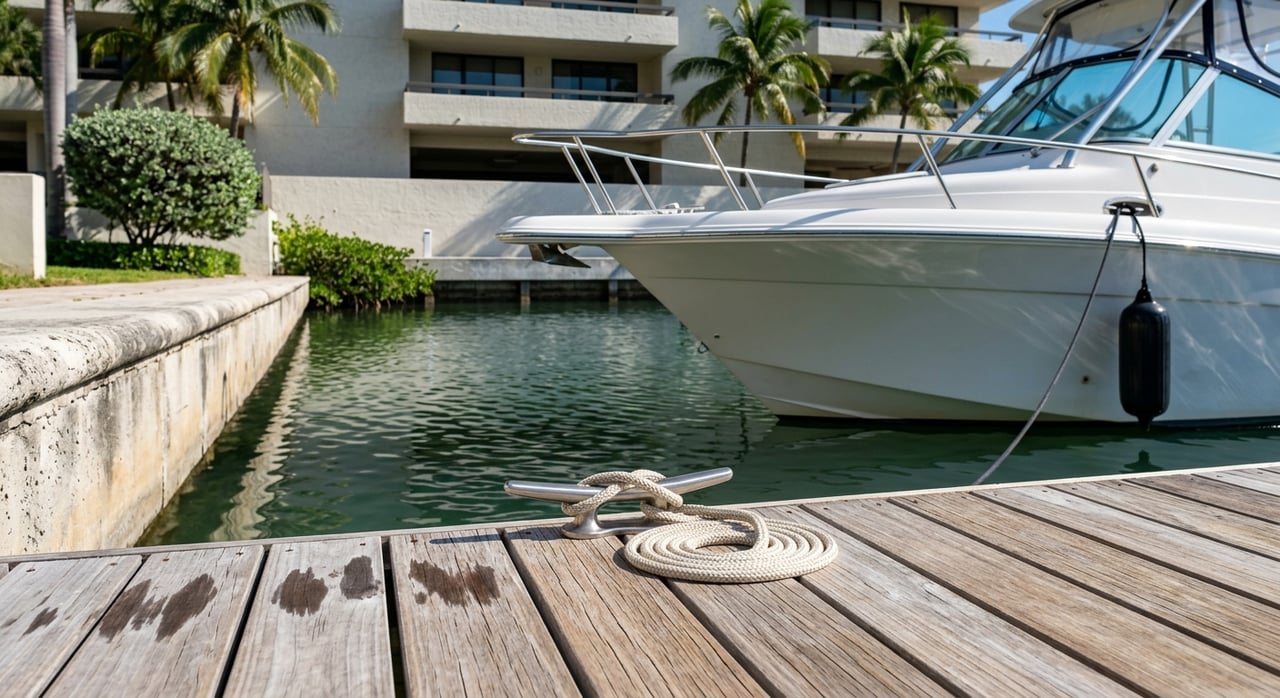
“Gulf access” in Royal Harbor means a navigable route from your dock through Naples Bay to Gordon Pass and into the Gulf. Many routes do not have fixed bridges, but that alone does not guarantee the right depth or turning room for your vessel. Verify mean low water depth at the dock, the canal width, and any shoaling history on your path to the bay. When possible, arrange a trial run with your intended boat before you buy.
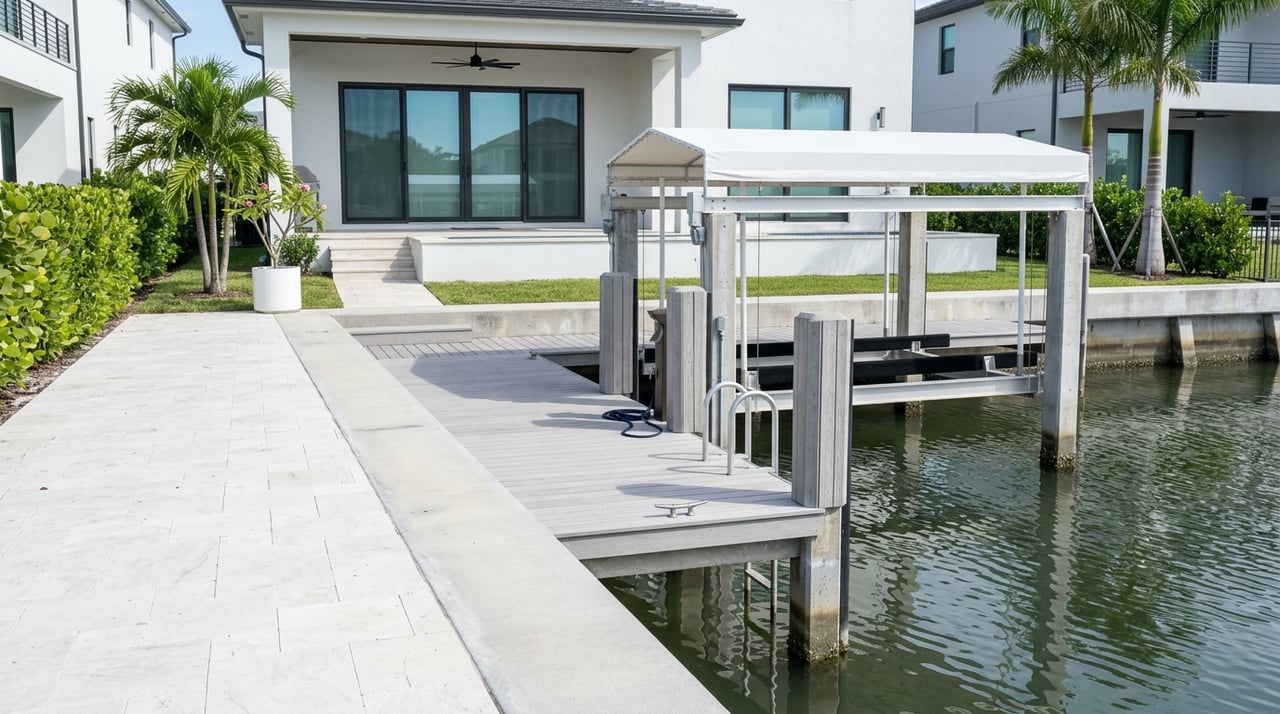
Your dock and seawall are core to the property’s value. Ask for permit histories and final inspections for the dock, lift, any dredging, and the seawall. Work on and over water may involve city or county building and marine divisions, the Florida Department of Environmental Protection, and in some cases the U.S. Army Corps of Engineers. Unpermitted work can slow closing or require remediation, so documentation matters.
A quick boater’s checklist for showings:
Seawalls and bulkheads have lifecycles. Minor repairs can run per foot, and full replacements on larger properties often reach six figures. Local contractor estimates vary widely by access, depth, and materials, but the ranges outlined by industry sources show why you should budget for capital work over time. For background on cost drivers, review a marine contractor overview of seawall cost factors. Also plan for annual dock and lift servicing, pile and fastener work, and periodic decking or electrical updates.
If you will not be in residence year‑round, line up a local team. Typical services include weekly pool and landscape care, HVAC checks, mold and moisture prevention, and scheduled dock and lift service. Build a simple “arrive and depart” checklist for each season, and secure a 24/7 on‑call vendor for hurricane preparation and post‑storm checks. Many owners use a property manager or coordinate separate specialists.
Coastal homes face hurricane wind and storm surge risk. Lenders generally require flood insurance when a property lies in a FEMA Special Flood Hazard Area. Before you make an offer, pull the address on the City’s flood zone map portal and request the seller’s elevation certificate if available. Get written quotes early for homeowners wind or hurricane coverage and NFIP flood coverage. Florida’s insurance market is dynamic and governed by state rules, including statutes in Chapter 627 of the Florida Insurance Code. Premiums and coverages can vary, so do not wait until the inspection period is almost over.
A monitored alarm and cameras are helpful, but processes matter too. Set a schedule for on‑site checks by a manager, use dehumidification, set water shutoff procedures, and document a local emergency contact. If you plan to rent, that responsible party detail is typically required.
Royal Harbor addresses may fall inside City of Naples limits or in unincorporated Collier County. The rules differ. The City defines a transient lodging facility as a unit rented to guests more than three times per year for periods under 30 days, and transient use is not a permitted use in most residential zones. Review the City’s transient lodging code summary and confirm the parcel’s zoning. If the home is in unincorporated Collier County and you plan short stays, you must register under the County’s Short‑Term Vacation Rental program and name a responsible party.
Always review HOA or condo documents. Some associations set their own minimum stay rules or restrict short‑term rentals entirely.
Florida applies state sales tax to transient rentals of six months or less. Collier County also collects a Tourist Development Tax. The owner is responsible for registration and remittance, even if a platform collects taxes. For requirements and forms, see the Florida Department of Revenue’s transient rental tax guide. You can also check the County’s tourism office for tourism tax program details. Always confirm the current county rate before you list.
Waterfront demand near Old Naples is durable because supply is limited and the lifestyle is compelling. Even so, value depends on specifics such as canal orientation, seawall condition, and dock fit for your boat. Use recent comparable sales on the same canal or bay frontage, not just neighborhood medians.
Plan for long‑term climate and regulatory shifts. Rising seas, evolving FEMA maps, and tighter coastal permitting affect costs and timelines for docks and seawalls. Track local shoreline and navigation initiatives through county updates like the Collier strategic projects report. Also budget for carrying costs that seasonal owners face, including property taxes without a homestead exemption, coastal insurance, HOA dues if applicable, and a property manager.
Follow this sequence before you write an offer or during your inspection period.
Buying a Royal Harbor retreat is about fit and foresight. When you pair the right lot, canal orientation, and dock setup with clear insurance, maintenance, and rental planning, you get an effortless seasonal home that holds value over time. If you want a concierge partner to coordinate inspections, insurance introductions, and a smooth closing timeline, connect with Michael Dekic. We speak English, Russian, German, and Italian, and we guide out‑of‑state and international buyers through sight‑unseen and quick‑visit purchases with confidence.
Stay up to date on the latest real estate trends.
Meet Michael Dekic, your dedicated real estate expert. Ready to guide you to your dream home!