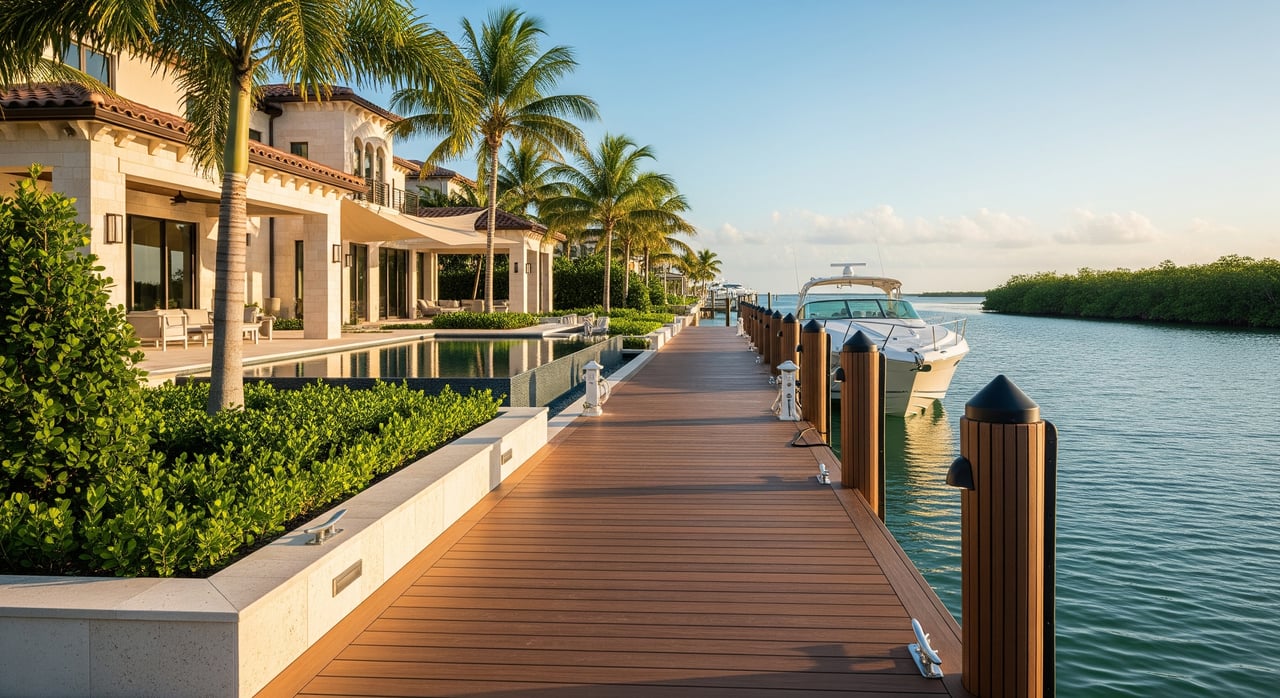
How to Evaluate Gulf Access in Aqualane Shores
January 1, 2026
January 1, 2026
Are you picturing mornings where you step from your lanai to your boat and reach open Gulf water in minutes? In Aqualane Shores, that vision is absolutely possible, but access varies lot by lot. If you want the right fit for your boat and lifestyle, you need to evaluate canal geometry, maneuvering room, speed zones, and real run times to Gordon Pass. This guide gives you a practical, repeatable way to judge each property with confidence. Let’s dive in.
Aqualane Shores is a waterfront neighborhood with canals that feed into Naples Bay and then to Gordon Pass and the Gulf of Mexico. Your path to the Gulf depends on your specific canal exit, the route you take through Naples Bay, and day‑to‑day conditions like tide, shoaling, and traffic. Two homes on different streets can feel very different on the water, even if they look similar from the curb.
Convenience, safety, and boat size all come down to the details you verify on site and on charts. Keep your goal clear: match the property’s water capability to the boat you intend to keep at the dock.
Your first priority is the water you control at your dock and on your route to Naples Bay.
Practical thresholds you can use:
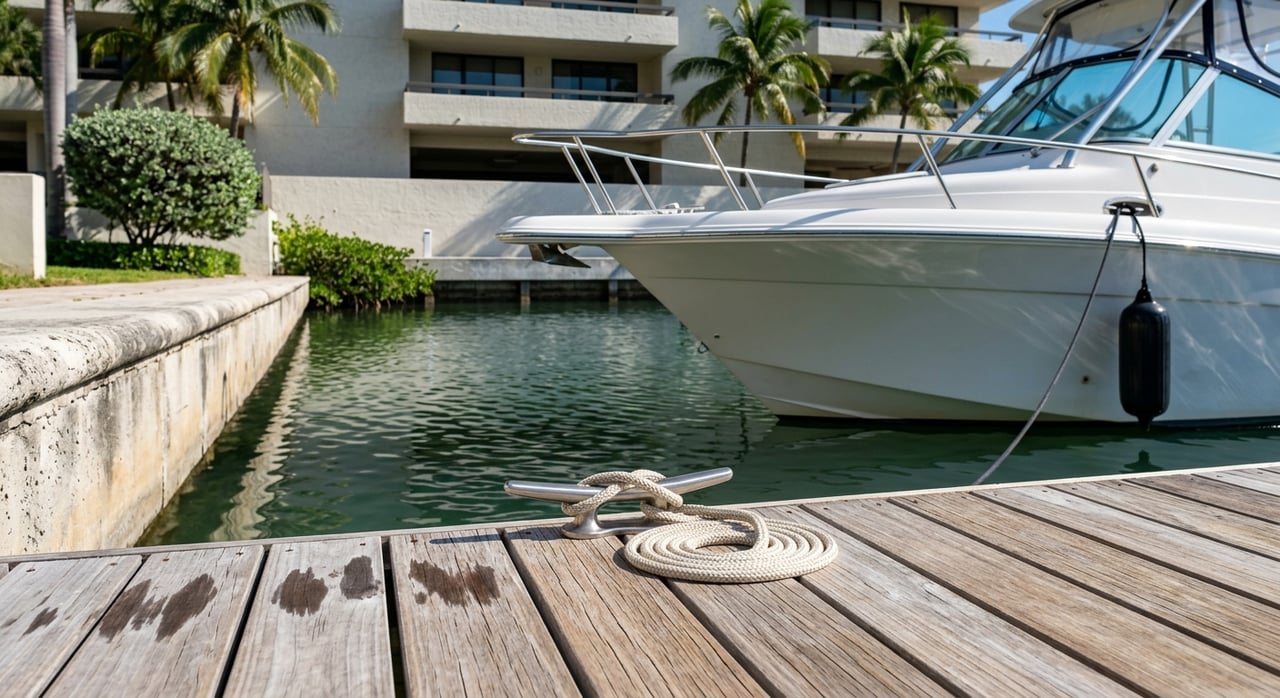
Turning basins, end‑of‑canal lots, and corner lots create extra maneuvering room. The more room you have to turn into the slip and line up on approach, the safer and simpler your docking will be. Check where the bulkhead sits relative to the active waterline at low tide to avoid surprises on draft and fender placement.
East‑facing or bay‑oriented lots can reduce turns and time to reach the channel. Plan for typical afternoon sea breezes that may push you on or off the dock. In passes, tidal exchange can create stronger current, so test how your intended route feels during different stages of tide.
Inspect existing fixed docks, pilings, lifts, and controls. Confirm lift capacity for your boat’s weight, length, and beam. Evaluate seawall or bulkhead condition and elevation for safe docking and long‑term resilience.
Within residential canals and much of Naples Bay, expect posted slow‑speed or no‑wake rules. Manatee protection zones and seasonal slow areas can also apply. These regulations shape how quickly you can get from dock to open water. Before you buy, confirm the posted zones on your intended route and plan your typical trip with realistic speeds.
Gordon Pass and segments of Naples Bay are subject to shoaling and periodic dredging. Storms and seasonal sediment movement can change sandbar locations and effective depths. Low tide in Southwest Florida can meaningfully reduce your navigable water in narrower canals, so verify depth at low tide, not just mid‑tide. Ask local marinas or tow operators about any recent shoaling hot spots or changes after storms.
Time on the water is distance divided by speed, but speed limits and traffic matter. Many Aqualane Shores properties sit roughly 1 to 3 nautical miles from the Gordon Pass approaches, depending on the canal and route. At 20 knots, 1 nautical mile is about 3 minutes, 2 miles about 6 minutes, and 3 miles about 9 minutes of pure cruise time. In reality, no‑wake segments and turns add minutes. Under favorable conditions, many owners experience single‑digit to mid‑teens minutes from dock to the pass, but you should verify by lot.
A quick way to estimate your time:
When you compare streets and lots, use a consistent method so your short list reflects how you actually use your boat.
Use this nine‑step process to de‑risk your decision and confirm a property’s practical Gulf access.
Replacing or enlarging a dock typically requires local and state permits, and in some cases federal approvals for submerged lands. Not all existing structures are permitted the same way, so request records and confirm what is grandfathered. Many waterfront lots fall within mapped flood zones, which affect insurance costs and any future building elevation work. Sea level rise and storm surge risk can increase maintenance needs for docks and seawalls over time. Build a plan that covers routine upkeep, storm readiness, and permitting lead times.
If your preferred lot lacks the depth or width for a deep‑V boat or a vessel over roughly 30 to 35 feet, a high‑capacity lift can be a smart solution. Where turning room is tight, lifts can also protect props and shafts during low‑tide hours. For very large boats or when you prefer maximum Gulf run speed right away, consider keeping a larger vessel at a marina and a smaller inshore boat at home. This split approach often balances convenience, budget, and safety.
Evaluating Gulf access in Aqualane Shores is about clarity. Confirm depth at low tide, measure turning room, map your speed‑restricted segments, and calculate a realistic run time to Gordon Pass. With a focused checklist and local expertise, you can align the right lot with the right boat and enjoy the waterfront lifestyle you’re envisioning.
If you’d like a guided, property‑specific assessment—including coordination with surveyors, permitting checks, and realistic time‑to‑pass modeling—connect with Michael Dekic for concierge support.
Stay up to date on the latest real estate trends.
Meet Michael Dekic, your dedicated real estate expert. Ready to guide you to your dream home!